Gymsense Resources
Practical help for the operational side of running a gym
Working checklists, audits, and decision guides for independent neighborhood gym owners. No feature-list theater.
Software comparison
Compare gym management software
Answer five quick questions, get three matches, and compare all 14 platforms before you book a demo.
Compare gym software
What Gym Software Actually Costs
Gym management software usually costs between $0 and $500+ per month before payment processing, onboarding, branded apps, SMS, websites, access control, and other add-ons. The cheapest gym software depends less on the advertised monthly fee and more on how the vendor charges as your gym grows. Some platforms charge by active members. Some charge by feature tier. Some require a sales quote. Gymsense uses a flat price: the first three calendar months are free from the date the gym goes live, follo
 Brian Laton11 min read
Browse the library
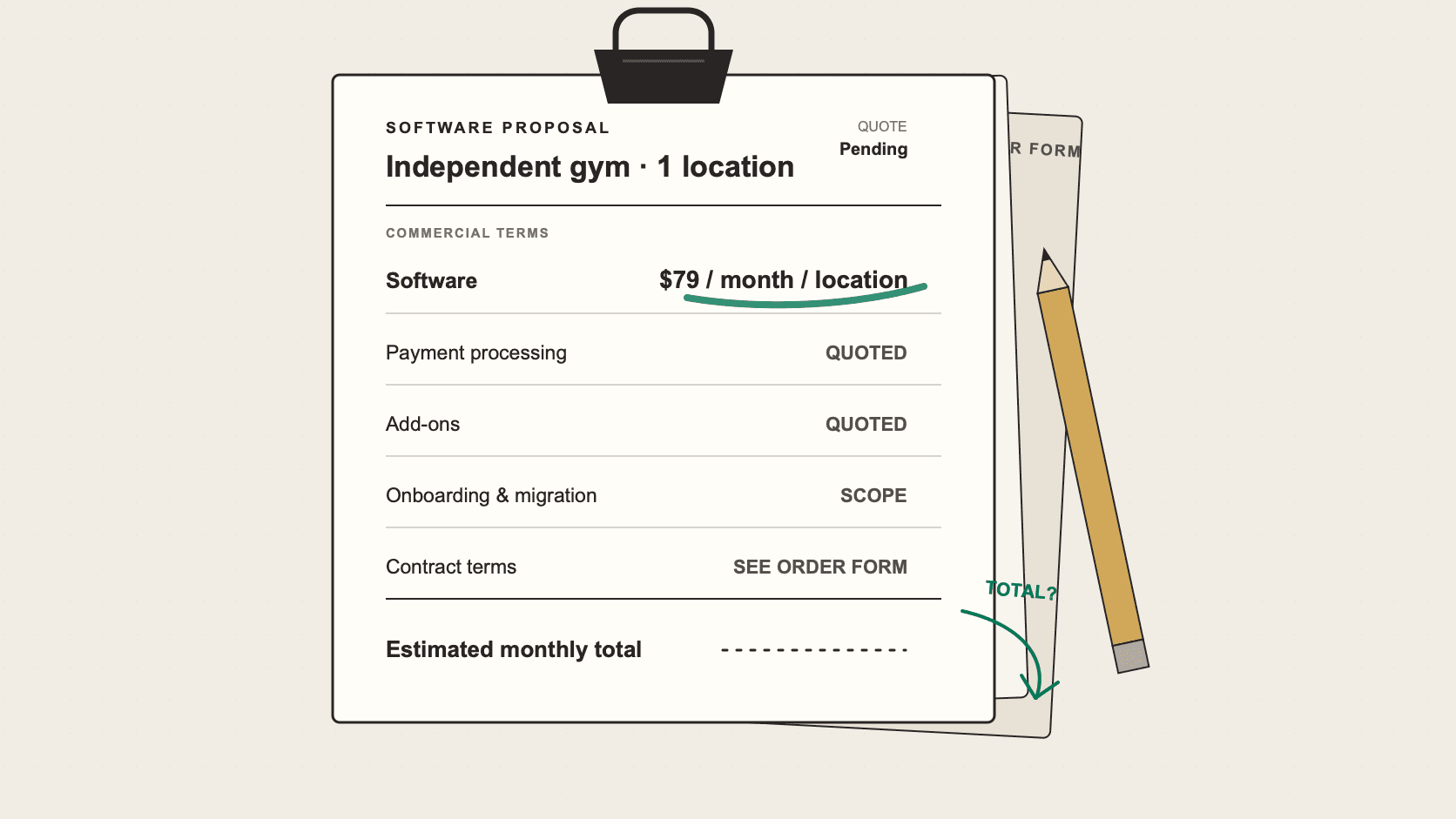
Is Mindbody the Right Fit for an Independent Gym?
The demo went well. Booking looked polished. The reporting covered more ground than your current system. Marketing, payments, scheduling, and member management all appeared in one place, with access to a marketplace that already reaches people looking for fitness and wellness businesses. Then the proposal arrives. Mindbody advertises its Starter plan in the United States from $79 per month, per location. That number probably helped earn the demo. Once the sales conversation turns into a purchase
Brian Laton7 min read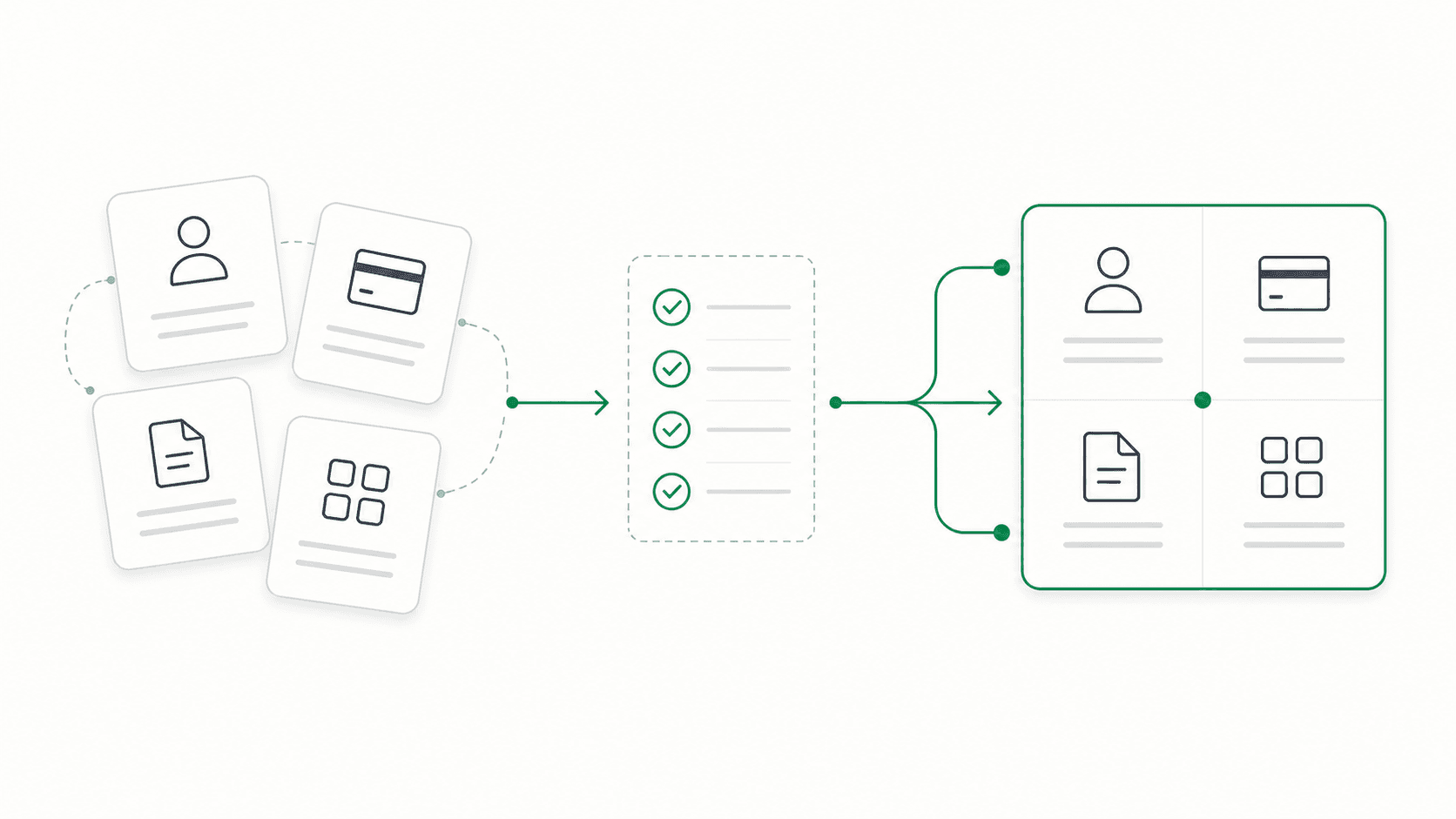
How to Switch Gym Management Software Without Losing Members or Data
Switching gym management software affects more than a member list. You are moving active billing relationships, grandfathered prices, unused credits, agreements, check-in, and the routines your staff rely on. That is manageable when each part has an owner and a check. Use this guide to build the migration plan before you choose a cutover date. Before you choose new software If Mindbody is on your shortlist or is the system you are leaving, read the candid Mindbody fit and pricing evaluation befo
Brian Laton6 min read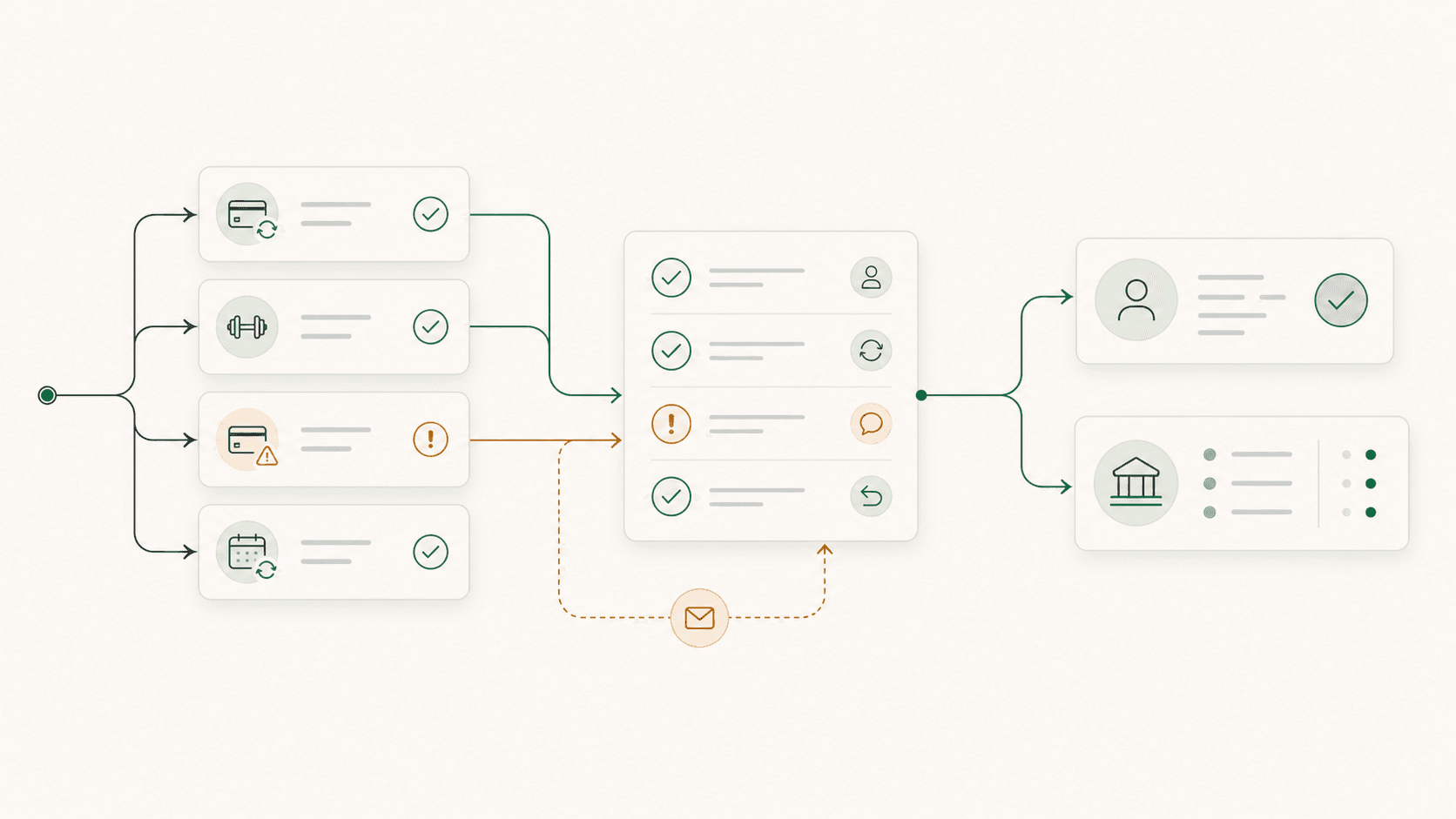
A Billing Health Check for Independent Gyms
Most billing problems arrive as ordinary exceptions: a failed renewal, a cancellation request, a refund someone promised, or a payout that does not match what the owner expected. A gym can collect most of its payments and still be unsure whether the member record, access status, and money agree. This health check gives you a way to find those gaps before they turn into awkward follow-up or disputes. Use one recent, complete billing cycle. The records may live in gym management software, a paymen
Brian Laton8 min read
What Should Stay Human at a Neighborhood Gym?
A front desk is not one job. It is a place where greeting, sales, check-in, payments, questions, security, and recordkeeping have accumulated. Removing the desk does not remove that work. Keeping a desk does not mean every task around it needs to stay manual. The useful question is more specific: which moments become more valuable when a person is present, and which administrative steps can happen quietly around them? Start with the moments, not the staffing model Walk through a normal week and
Brian Laton7 min read
Audit the Way Someone Buys From Your Gym
A gym website can look polished while leaving a prospective member with no clear way to move forward. That does not always mean the gym needs a new website. It may mean the buying path is incomplete. Someone can discover a neighborhood gym through Google Maps, Instagram, a friend, or a sign on the street. The owner may reasonably want to meet that person, give them a tour, and talk before they join. The problem starts when each step after that depends on the prospect waiting, guessing, repeating
Brian Laton8 min read
How to Evaluate Gym Software Using a Normal Week
Most gym software demonstrations start with the software. The vendor shows a dashboard, opens the feature menu, and walks through the parts of the product that present well. The owner asks whether it supports billing, check-in, scheduling, reporting, and member communication. The answer to each question is usually yes. That does not tell you whether the software fits the gym. A better evaluation starts with a normal week: the people, purchases, exceptions, and handoffs that already happen in the
Brian Laton9 min read
How to Organize Gym Records Across Stripe, Spreadsheets, and Paper
A gym can have accurate information in several places and still be unable to answer a simple member question. Stripe may show that a charge succeeded. A spreadsheet may show that the person is active. A paper agreement may contain the actual membership terms. A trainer may be keeping the remaining session balance somewhere else. The immediate goal is not to force every record into one system. It is to make the current member relationship understandable: what the person has, what they pay, what t
Brian Laton10 min read
Keeping Personal Training Sessions and Credits Straight
Personal training credits tend to become confusing one ordinary decision at a time. A trainer fits someone in before the package is entered. A member cancels late and a staff member promises not to charge the session. Two complimentary credits are added after a billing problem. The package expires, but nobody knows whether an extension was approved. None of those situations is unusual. The problem appears when the purchase, the scheduled appointment, the trainer’s record, and the remaining balan
Brian Laton10 min read